 Image 1 of 4
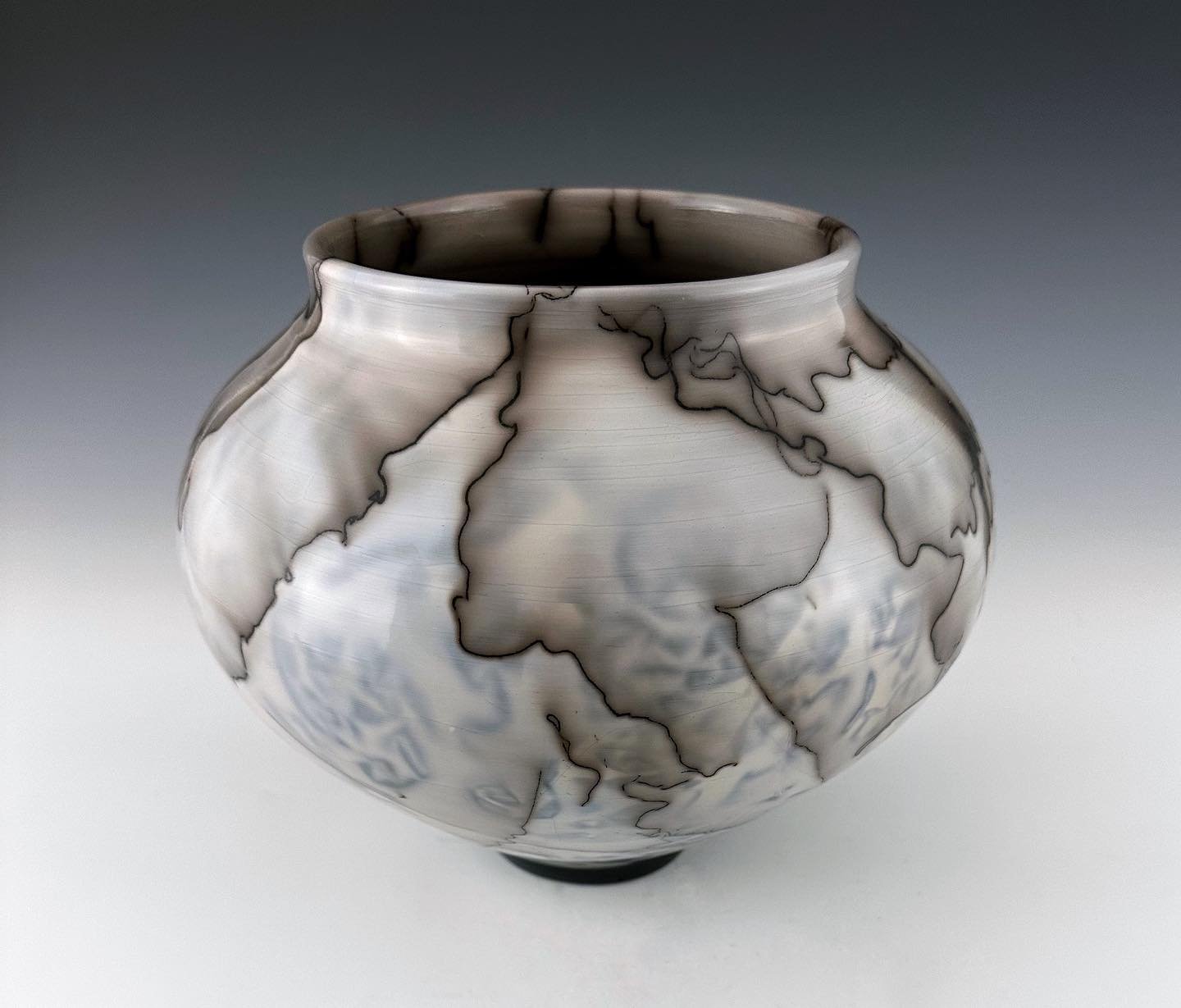 Image 2 of 4
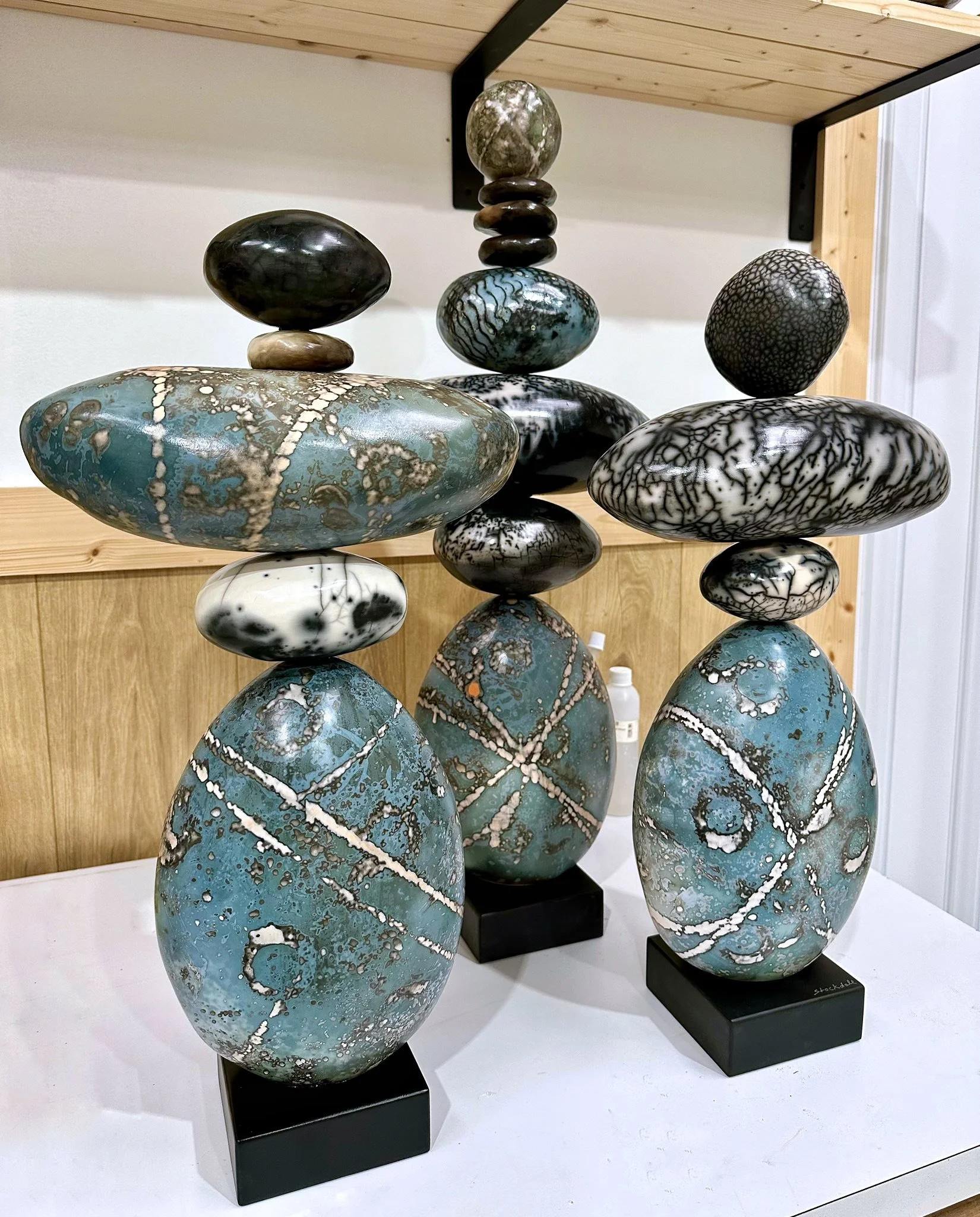 Image 3 of 4
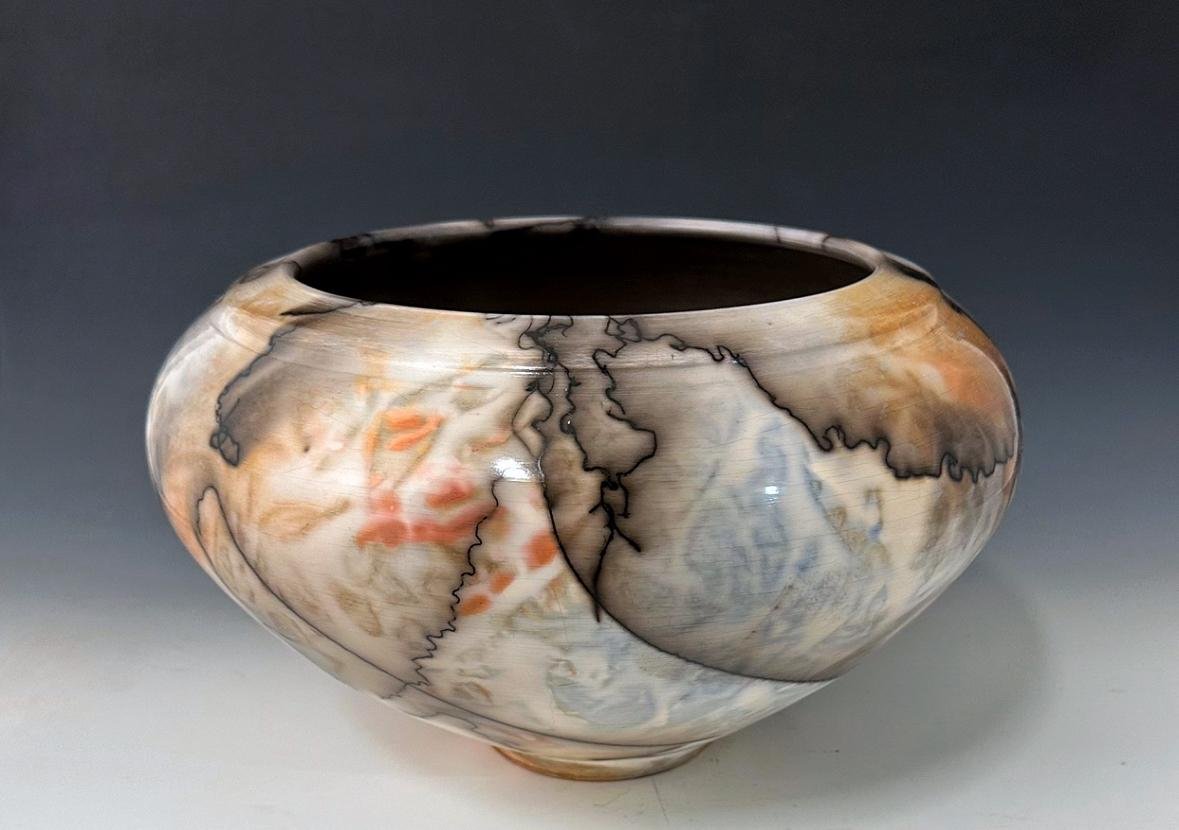 Image 4 of 4
This 2-day workshop is designed for ceramic artists who are new to Alternative Firing techniques, as well as those who already have some experience but would like to deepen their understanding and approach these methods in new ways. Throughout the workshop, I will share the techniques and processes I use in my own studio practice, guiding participants through a variety of experimental firing methods that emphasize surface development, material interaction, and creative exploration.
What to Expect
The workshop will begin with a demonstration on how I mix, apply, and burnish Terra Sigillata. Participants will learn how this refined clay slip can be used to create smooth surfaces that respond beautifully to alternative firing methods. I will demonstrate the preparation process, discuss application techniques, and show how burnishing enhances the surface before firing.
From there, we will move into a series of firing demonstrations and hands-on experiments. Participants will gain first-hand experience with several alternative firing approaches while learning how different materials interact with clay surfaces under varying atmospheric conditions. I will share practical tips, insights from my studio experience, and strategies for achieving dynamic and expressive results.
Techniques Covered
Saggar Firing
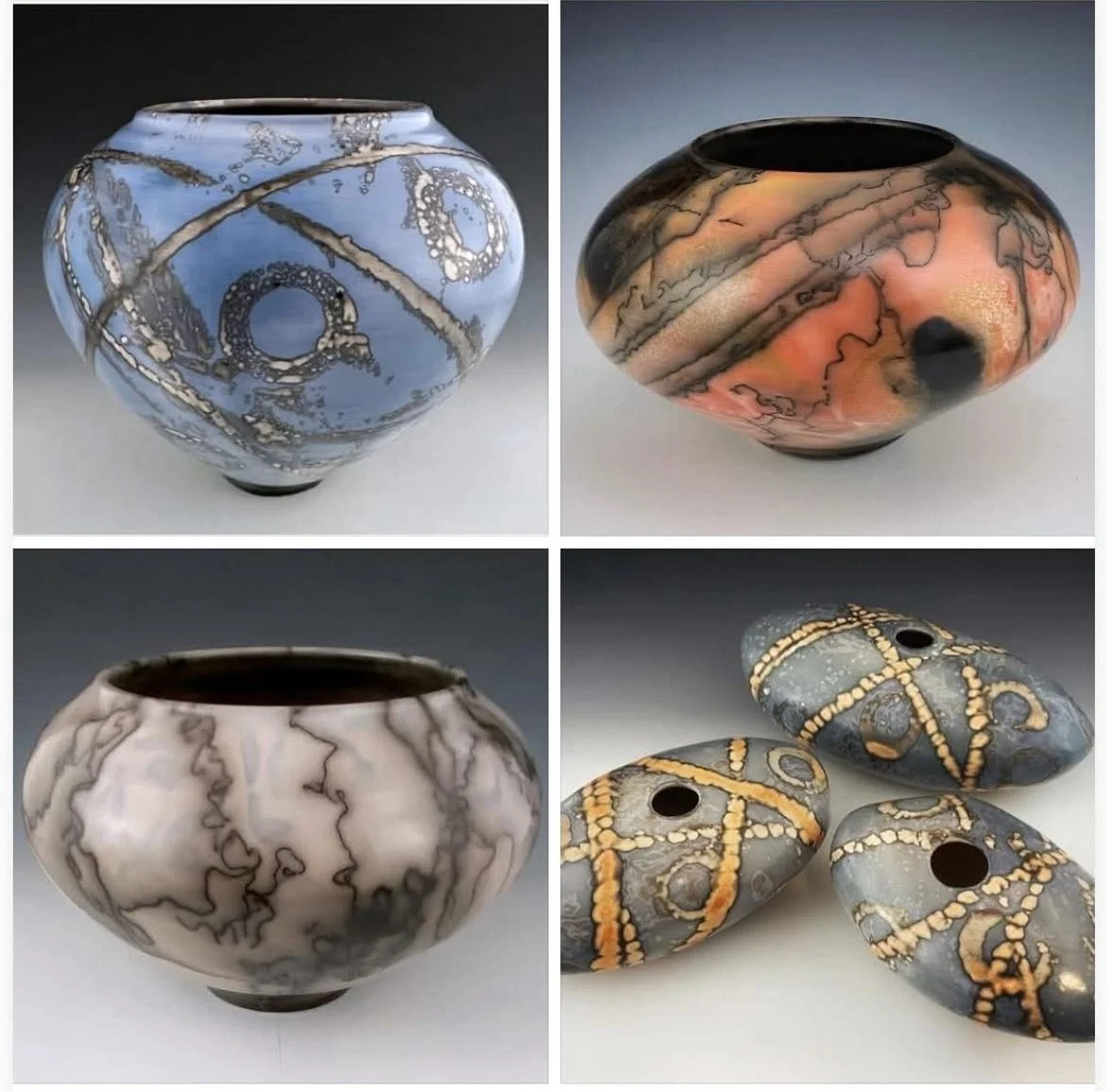
This technique involves enclosing ceramic pieces within a container or chamber along with combustible and reactive materials. The saggar creates a localized reduction atmosphere during firing, allowing materials such as salts, metal oxides, and organic matter to interact with the clay surface. The process often produces dramatic markings, color shifts, smoke patterns, and unexpected surface effects.
Raku Firing with Soluble Metal Salts
Participants will also explore Raku firing enhanced with soluble metal salts. This fast, high-temperature firing method, combined with rapid cooling and reduction, can produce vivid color flashes and rich surface variation. I will demonstrate how soluble salts can be applied to influence color development and create distinctive visual results.
Barrel Firing
A key focus of the workshop will be experimentation. Participants will have the opportunity to combine different firing techniques and explore how multiple processes interact to produce unique and unpredictable finishes during the Barrel Firing process.
Creative Experimentation
Participants are encouraged to bring a selection of organic materials to incorporate into their firings. Natural materials such as leaves, grasses, seaweed, fruit peels, sawdust, coffee grounds, or other plant matter can be used to create distinctive surface markings, smoke patterns, and subtle color variations. This element of experimentation allows each participant to develop surfaces that reflect their own creative curiosity.
What to Bring
Participants should bring several bisque-fired pieces, either thrown or sculptural forms
Pieces should be no larger than 8 inches in height
Smooth surfaces tend to respond especially well to Terra Sigillata and alternative firing techniques
Bringing 6–8 pieces is ideal to allow for experimentation across different firing methods
Please note that no clay forming will take place during the workshop. The focus of these two days will be entirely on surface treatment, decoration, and firing techniques.
Takeaway
By the end of the workshop, participants can expect to complete and take home approximately 6 to 8 finished ceramic pieces, each reflecting different alternative firing effects and experimental processes.
In addition to finished work, participants will leave with a deeper understanding of Terra Sigillata, saggar firing, Raku techniques, and the creative possibilities that arise when materials, atmosphere, and fire interact with clay.
Dates: June 27th-28th, 2026
Times: 10 am - 5 pm each day
Location: 7421 Martin Road
Zebulon, NC 27597
This 2-day workshop is designed for ceramic artists who are new to Alternative Firing techniques, as well as those who already have some experience but would like to deepen their understanding and approach these methods in new ways. Throughout the workshop, I will share the techniques and processes I use in my own studio practice, guiding participants through a variety of experimental firing methods that emphasize surface development, material interaction, and creative exploration.
What to Expect
The workshop will begin with a demonstration on how I mix, apply, and burnish Terra Sigillata. Participants will learn how this refined clay slip can be used to create smooth surfaces that respond beautifully to alternative firing methods. I will demonstrate the preparation process, discuss application techniques, and show how burnishing enhances the surface before firing.
From there, we will move into a series of firing demonstrations and hands-on experiments. Participants will gain first-hand experience with several alternative firing approaches while learning how different materials interact with clay surfaces under varying atmospheric conditions. I will share practical tips, insights from my studio experience, and strategies for achieving dynamic and expressive results.
Techniques Covered
Saggar Firing
This technique involves enclosing ceramic pieces within a container or chamber along with combustible and reactive materials. The saggar creates a localized reduction atmosphere during firing, allowing materials such as salts, metal oxides, and organic matter to interact with the clay surface. The process often produces dramatic markings, color shifts, smoke patterns, and unexpected surface effects.
Raku Firing with Soluble Metal Salts
Participants will also explore Raku firing enhanced with soluble metal salts. This fast, high-temperature firing method, combined with rapid cooling and reduction, can produce vivid color flashes and rich surface variation. I will demonstrate how soluble salts can be applied to influence color development and create distinctive visual results.
Barrel Firing
A key focus of the workshop will be experimentation. Participants will have the opportunity to combine different firing techniques and explore how multiple processes interact to produce unique and unpredictable finishes during the Barrel Firing process.
Creative Experimentation
Participants are encouraged to bring a selection of organic materials to incorporate into their firings. Natural materials such as leaves, grasses, seaweed, fruit peels, sawdust, coffee grounds, or other plant matter can be used to create distinctive surface markings, smoke patterns, and subtle color variations. This element of experimentation allows each participant to develop surfaces that reflect their own creative curiosity.
What to Bring
Participants should bring several bisque-fired pieces, either thrown or sculptural forms
Pieces should be no larger than 8 inches in height
Smooth surfaces tend to respond especially well to Terra Sigillata and alternative firing techniques
Bringing 6–8 pieces is ideal to allow for experimentation across different firing methods
Please note that no clay forming will take place during the workshop. The focus of these two days will be entirely on surface treatment, decoration, and firing techniques.
Takeaway
By the end of the workshop, participants can expect to complete and take home approximately 6 to 8 finished ceramic pieces, each reflecting different alternative firing effects and experimental processes.
In addition to finished work, participants will leave with a deeper understanding of Terra Sigillata, saggar firing, Raku techniques, and the creative possibilities that arise when materials, atmosphere, and fire interact with clay.
Dates: June 27th-28th, 2026
Times: 10 am - 5 pm each day
Location: 7421 Martin Road
Zebulon, NC 27597